

Comparisons
Best IPTV Devices in Canada: Firestick vs Android Box
Which device is best for IPTV in Canada? Fire TV Stick 4K Max, Google TV Streamer, NVIDIA Shield, Formuler, Apple TV, Smart TVs and Roku compared.
Guides
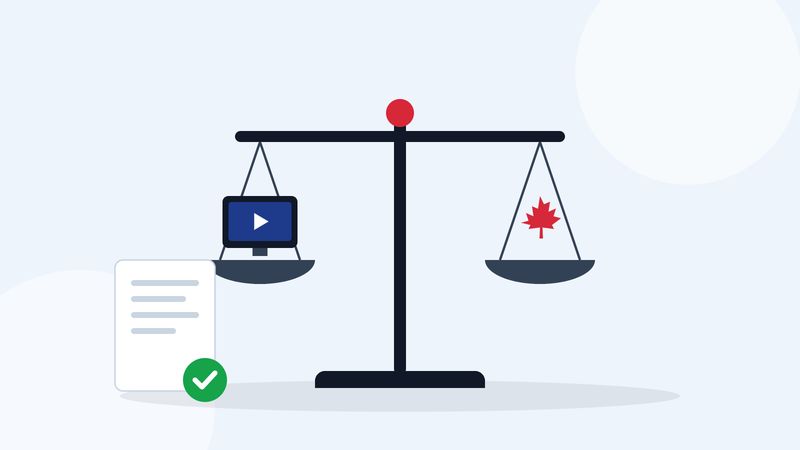
IPTV is legal in Canada. It is a way of delivering TV over an internet connection, and Canada's biggest TV providers use it every day: Bell Fibe TV, Rogers Ignite TV and Telus Optik TV are all IPTV services. What the law cares about is the content, not the technology. A service that holds the rights to the channels it streams is legal. A service that streams channels without permission infringes copyright, and so does anyone who sells access to it.
For viewers, the practical rule is this: the legal risk sits mostly with the people who distribute unlicensed streams, but a subscription to an unlicensed service can disappear overnight, and your money with it. Ask the questions in this guide before you pay any provider, including us.
IPTV stands for Internet Protocol Television. Instead of a cable signal or a satellite dish, the picture arrives as data over your internet connection, the same way a video call or a web page does. A player app on your TV, phone or computer turns that data back into live channels and on-demand video. Wikipedia's IPTV overview explains the plumbing if you want the technical detail.
Two pieces matter to you as a viewer:
That split is why the question "is IPTV legal" has two different answers. The technology and the apps are legal. Whether a particular provider is legal depends on whether it has the rights to what it streams.
The Copyright Act gives the owner of a work the sole right to communicate it to the public by telecommunication. TV channels, sports broadcasts and films are all protected works, and broadcasters license them to distributors such as cable companies and IPTV services. Streaming those works to paying customers without a licence is infringement.
The Canadian Intellectual Property Office copyright guide sets out the same idea in plainer language: copyright belongs to the creator or the company that bought the rights, and using the work in ways reserved for the owner needs permission.
The law puts most of the weight on distribution. Running a server, selling subscriptions or selling boxes preloaded with unlicensed streams is commercial activity, and that is where rights holders have aimed their lawsuits.
Canadian courts have dealt with unlicensed IPTV several times, and the direction is consistent.
None of these cases targeted ordinary viewers. They targeted the services and sellers. They do show what happens to an unlicensed service in Canada: it gets blocked, sometimes in the middle of a game.
Two parts of the Copyright Act matter most to a household.
First, Canada uses a notice-and-notice system. A copyright owner who believes an internet account is being used to infringe can ask the internet provider to forward a notice to that customer. The provider passes the notice on but does not reveal your identity, and the notice itself carries no fine and no obligation to pay anything.
Second, if a copyright owner does sue an individual for non-commercial infringement, the statutory damages are capped at $5,000 for all the works in that lawsuit. That cap does not apply to people who sell access or run services.
In practice, the bigger risk for viewers is not a lawsuit. It is paying for a year upfront and watching the service vanish after a blocking order, with no refund and no one to call.
Most Canadians have used IPTV without calling it that. Bell Fibe TV, Rogers Ignite TV, Telus Optik TV, Vidéotron Helix and SaskTel maxTV all deliver live channels over an internet connection to a set-top box or an app. They pay broadcasters for every channel in their lineups, which is why their packages cost more.
Comparing any IPTV offer with those packages is a useful reality check. If a service promises far more channels than the big providers for a small fraction of the price, ask how it pays for the rights. A provider that cannot answer that question clearly is asking you to take the risk instead.
If your internet provider forwards a copyright notice, read it calmly. Since a 2018 change to the Copyright Act, notices sent through the notice-and-notice system may not include settlement demands or requests for payment, and providers do not have to forward notices that do.
Use the same checklist on every provider you consider:
Our Best IPTV Canada buyer's guide turns these into a nine-point comparison table you can run on any service.
Whatever service you choose, a few habits keep you safe:
Digital IPTV is a streaming technology provider. We publish our terms of service, privacy policy and refund policy, price everything in Canadian dollars, take payment by Interac e-Transfer and answer email from a real support address. We expect every customer to follow the broadcasting and copyright laws that apply to them.
If you want zero doubt about licensing and you are happy to pay more, the TV package from your own internet provider is the low-risk choice. If you want to compare first, start a free trial and run the checklist above on us.
No. Watching IPTV is legal, and Bell, Rogers and Telus all deliver TV this way. What can be illegal is streaming or selling channels without the rights to them.
Your provider can see that you are streaming video and which servers you connect to. Under the notice-and-notice system, a copyright owner can ask your provider to forward a notice to you, but the notice itself carries no fine.
Yes. They are player apps that play whatever playlist you add to them. They carry no channels of their own.
Yes. Both deliver live TV over an internet connection, which is what IPTV means.
Using a VPN is legal in Canada. A VPN does not change whether the content you watch is licensed.
Comparisons
Which device is best for IPTV in Canada? Fire TV Stick 4K Max, Google TV Streamer, NVIDIA Shield, Formuler, Apple TV, Smart TVs and Roku compared.

Guides
IPTV needs about 15 Mbps per Full HD stream and 30 Mbps per 4K stream. Speed table, household examples, data use per hour and Wi-Fi tips for Canada.
Test it on your own device for 24 hours, then choose a plan in Canadian dollars.